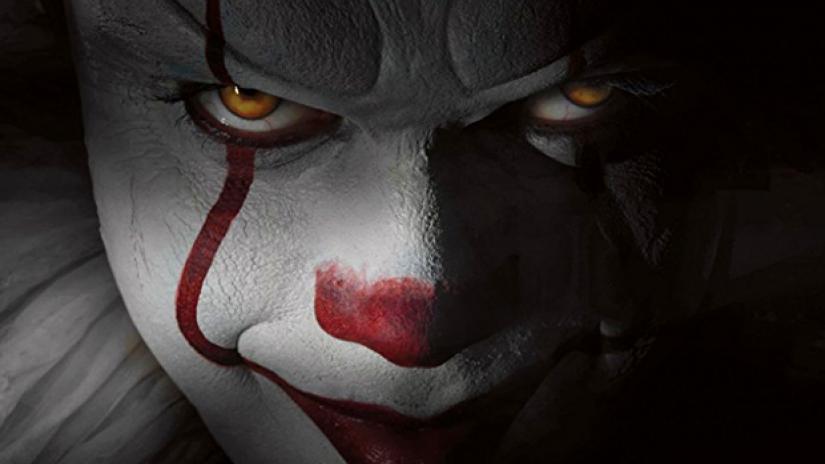
Today, there is a tendency in western cinema that the adapted screenplay films are being accepted much better by the critique and the viewers than the films with original screenplay. Undoubtedly, the most famous author in the world of cinema is Stephen King. His novels are turned into films since the early eighties. Film such as “Carrie” (1976); “Cujo” (1983); “Children of the Corn” (1984); “The Shawshank Redemption” (1994); “Pet Cemetery” (1989) and many others are considered to be one of the cult films in the history of cinema. Recently King’s narrators became viral with the remakes of “It” (1990) in 2017 and “Pet Cemetery” in 2019. In spite of his massive success in writing and cinema, his film adaptations were not always this great. Analysing one of his short stories (“Secret Window, Secret Garden”, 1990), later adapted into a film, directed by David Koepp – “Secret Window” (2004), this essay will discuss the problems that could appear in adapting a novel for a screenplay; the historical meaning behind this practice and what changes in the storytelling and the plot are necessary to adapt a certain novel. The key story structures in both novel and screenplay will be identified and the differences between both will be analysed in order to distinguish the narrative structure and practices in both writing styles.

 Secret Window